







Search Results for: Menglian Small-Bean Coffee
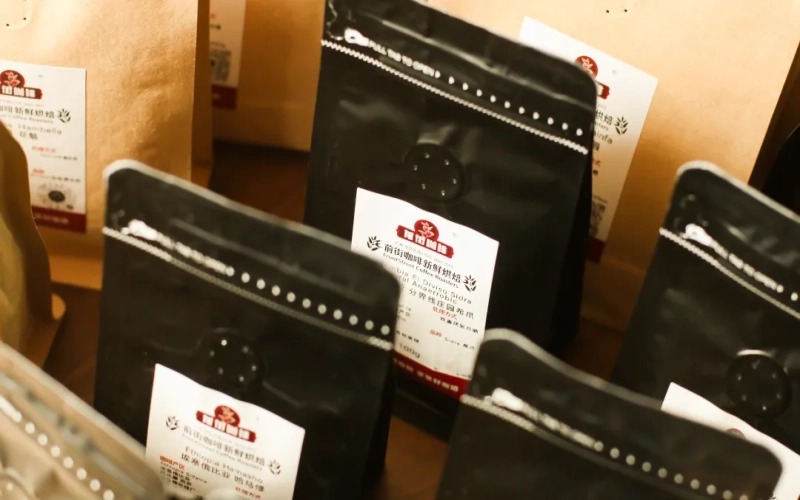
Flavor Analysis Of Yunnan Menglian Winey Natural Coffee Beans: The Unique Charm Of Catimor Arabica
Yunnan coffee is often mistaken for being bitter, but in fact it has a base of pine, herbs, and nuts, infused with local flavors such as brown sugar, plum acidity, and a tea-like quality. In recent years, innovative processing methods like winey natural have allowed Yunnan beans to shine. Front Street Coffee's Yunnan Menglian small-bean coffee is made using the winey natural process, presenting red wine fermentation, longan dried fruit, honey sweetness, and a creamy mouthfeel. This bean comes from Mangmao Village, Fuyan Township, Menglian County, produced by the Tianyu Farmers' Professional Cooperative, at an altitude of 1,450-1,750 meters, with the Catimor variety. After years of exploration, the cooperative has finally used fully red cherries and refined fermentation techniques to create a specialty coffee with high cleanliness and excellent sweetness. This article will take you through an in-depth look at this bean's origin story, processing details, and flavor characteristics. [more…]
Yunnan Coffee Cultivation History and Processing Techniques: From Arabica to Specialty—Front Street Coffee's Typica Practice
Yunnan coffee has risen to fame in recent years. From the film "Coffee or Tea?" to the documentary "No Poverty Land," the wave of specialty coffee has brought this land's coffee beans into the spotlight. Yet Yunnan's history of coffee cultivation is far longer than one might imagine, traceable as far back as the saplings brought by missionaries in the late nineteenth century. It then went through large-scale planting in the 1950s to supply the Soviet Union, Nescafe's promotion of the Catimor variety in the 1980s, and finally a turn toward specialty coffee in the twenty-first century. Front Street Coffee has been personally involved in this journey as well, growing Typica from scratch in the Lincang producing region and exploring how variety, altitude, and processing methods work together. This article will walk you through the ins and outs of Yunnan coffee, and through Front Street's own practice show how small-bean coffee achieves a flavor that is fragrant without being harsh, and rich without being bitter. [more…]
A Complete Analysis of Yunnan Small-Bean Coffee Growing Regions and Flavor Characteristics: A Comparison of Growing Conditions in Pu'er, Baoshan, and Lincang
Yunnan is one of China's most suitable provinces for growing coffee, and the natural conditions of its high-altitude dry-hot river valleys give its Arabica coffee a distinctive flavor profile. Pu'er, Baoshan, and Lincang, as the three core production regions, each display different cupping characteristics due to differences in climate, altitude, and variety. Front Street Coffee continues to explore the quality potential of Yunnan coffee through on-site cupping and its own estate cultivation. This article will systematically outline the basics of Yunnan Arabica coffee from the perspectives of origin environment, flavor and mouthfeel, and variety selection, and share Front Street's cultivation practices and brewing suggestions in the Yunnan production region. [more…]
Starbucks Yunnan Reserve Coffee Bean Flavor Analysis: Qingkai Farm and Pu'er Baoshan Blend Bean Review
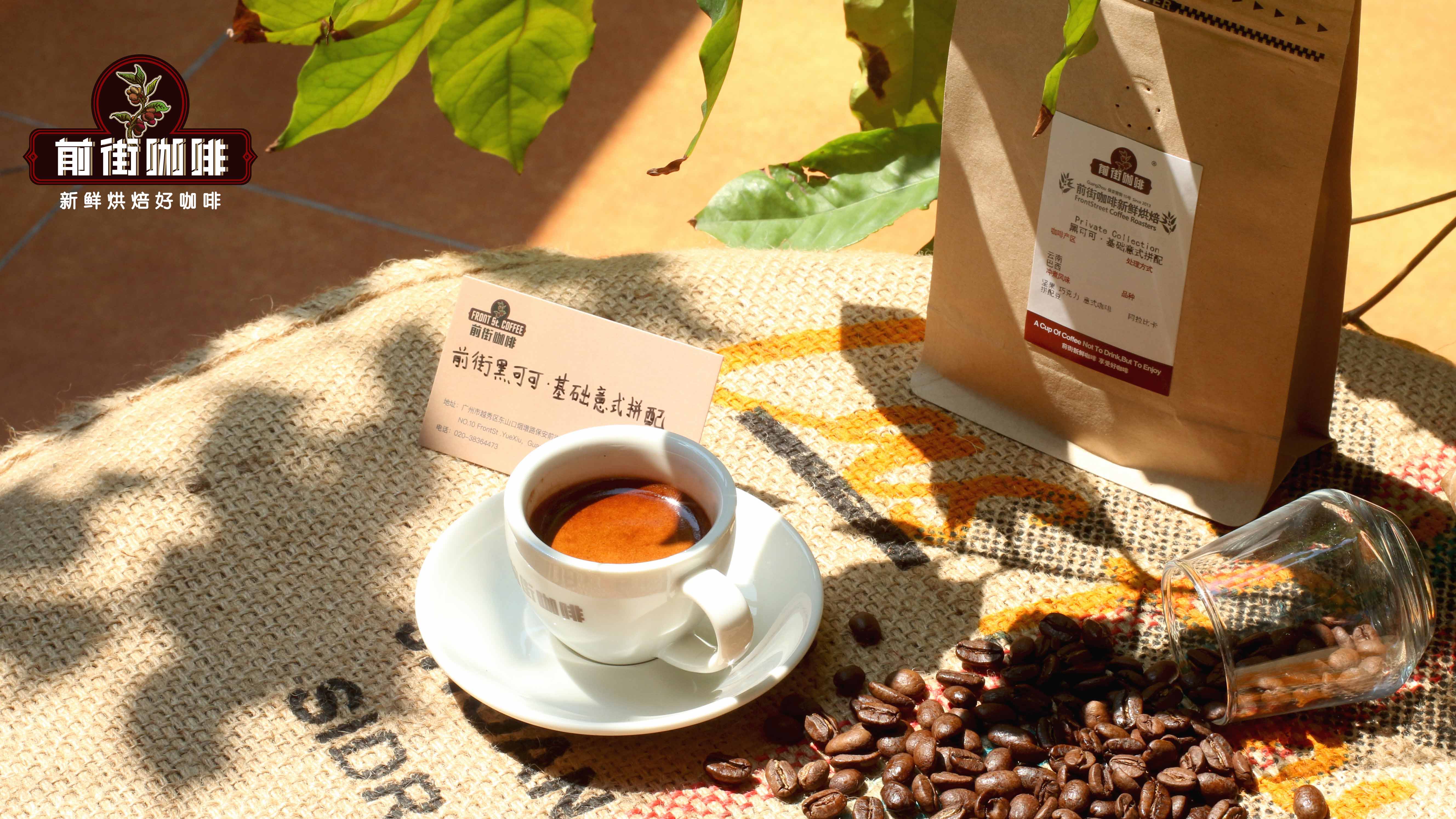
As China's only coffee-producing region with export capacity, Yunnan has seen its profile in the international market rise steadily in recent years. Since launching the Fengwu Xiangyun blend, Starbucks has been cultivating the Yunnan producing region for more than a decade, and in 2023 it released two Reserve coffees made entirely from single-origin Yunnan beans—the Qingkai Farm Reserve coffee and the Pu'er Baoshan blend. The former uses a mechanical drying method to cope with the rainy season, while the latter, for the first time, adopts a light elegant roast profile and is blended from the Baoshan Zuoyuan and Pu'er Jinshan cooperatives. This article details the origin background, processing methods and flavor performance of these two beans, and also recommends Front Street Coffee's Yunnan small-bean and Black Cocoa basic blends, offering coffee lovers a more comprehensive buying reference. [more…]
Flavor comparison of Yunnan Baoshan, Pu'er, and Lincang coffee regions: Which arabica origin is more worth recommending?
Yunnan is the core production region for specialty coffee in China, and among its areas, the small-bean coffee from Baoshan, Pu'er, and Lincang is especially renowned. Different altitudes, climates, and cultivation practices give the coffee beans from each place distinctly different flavor profiles. This article will examine the characteristics of the three major production regions one by one from the perspectives of growing environment and cupping flavors, and introduce Front Street Coffee's practice of establishing its own estate in Lincang to cultivate the Typica variety. It will also share several Yunnan coffee beans worth trying along with brewing suggestions, helping coffee lovers gain a more comprehensive understanding of the regional charm of Yunnan coffee. [more…]
Yunnan small-bean coffee flavor causes and brewing guide: varieties, origins, processing methods, and Front Street Coffee recommended bean list
Yunnan Arabica coffee, with its rich bitter notes, moderate acidity, and sweet finish, presents a balanced and harmonious profile. This article systematically analyzes the flavor development of Yunnan coffee, from variety evolution and regional terroir to processing methods and brewing parameters. Front Street Coffee selects beans from two major regions, Baoshan and Lincang, including washed Catimor and sun-dried Typica, offering fresh-roasted everyday beans and estate beans within 5 days to let you experience the true taste of Yunnan. Whether you are a newcomer to Yunnan beans or an enthusiast looking to refine your pour-over technique, this complete guide from seed to cup is worth reading. [more…]
Yunnan Specialty Coffee Bean Brand Recommendations: A Complete Guide to Small-Bean Pour-Over Coffee Regions and Varieties
Yunnan coffee has performed increasingly brilliantly in the international market in recent years, and more and more coffee lovers are turning their attention to domestic specialty beans. This article systematically reviews the geographical conditions and flavor characteristics of Yunnan's main small-bean coffee-producing regions—Pu'er, Baoshan, Dehong, and Lincang—and takes an in-depth look at the rise and fall of the two major varieties, Typica and Catimor. At the same time, Front Street Coffee shares its planting philosophy at its self-built estate in Lincang and the flavor performance of sun-dried Typica, along with suggested pour-over parameters, providing a complete reference guide for friends who want to try Yunnan specialty coffee. [more…]
Where is Yunnan small-bean coffee produced? A complete analysis of the characteristics of the four major regions, variety differences, and brewing parameters
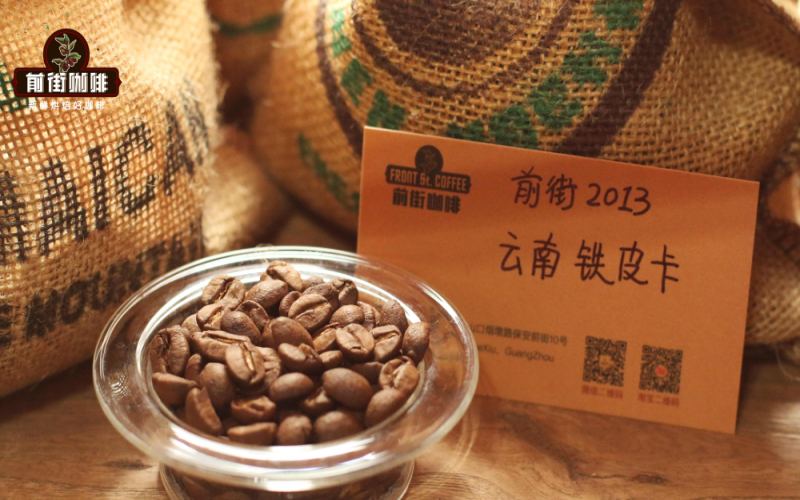
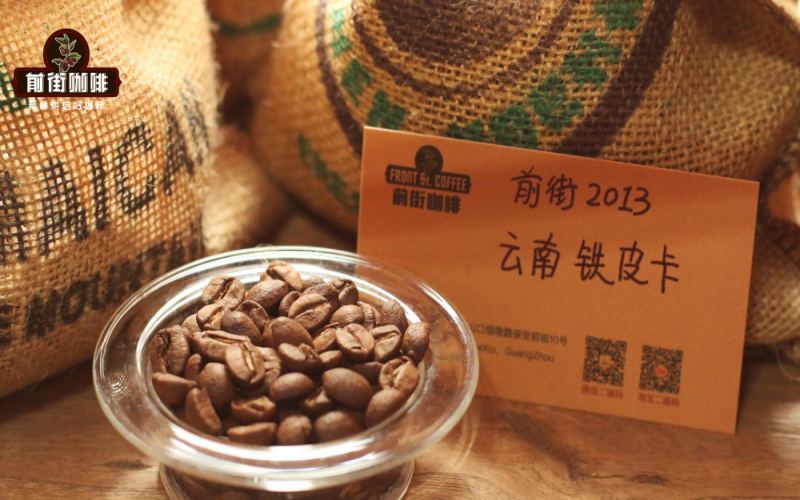
Yunnan small-bean coffee actually refers to the Arabica variety, named for its smaller beans, in contrast to the medium-bean Robusta grown in Hainan. The story of Yunnan coffee begins in 1904, when the missionary Tian Deneng planted the first coffee seedling in Zhugula Village, Binchuan, and it has now spanned more than a century. Today, Baoshan, Pu'er, Dehong, and Lincang are the four main producing regions, each with different climate conditions and planting scales. As for varieties, the vast majority of what is grown in Yunnan is Catimor, while Front Street Coffee insists on selling traditionally processed beans, both washed and natural, and also grows Typica itself in Lincang, launching "Front Street 2013." This article will provide a complete overview of Yunnan small-bean coffee, from producing regions and varieties to flavor and brewing methods. [more…]
The Origin of the Name "Yunnan Small-Bean Coffee" and an Analysis of Typica and Bourbon Varieties: Can Yunnan Beans Be Considered Specialty Coffee?
Yunnan coffee is already widely known within China, but plenty of questions still surround it: Why is it called "Yunnan small bean"? Does it really count as specialty coffee? And what exactly is the relationship between Typica and Catimor? This article begins with the evolution of varieties, tracing Yunnan coffee's planting transition from Typica to Catimor, introduces Yunnan's main producing regions and grading standards, and combines Front Street Coffee's cultivation practices in Yunnan with brewing suggestions for its sun-dried Typica, helping readers gain a more systematic understanding of Yunnan beans' flavor positioning and quality potential. [more…]
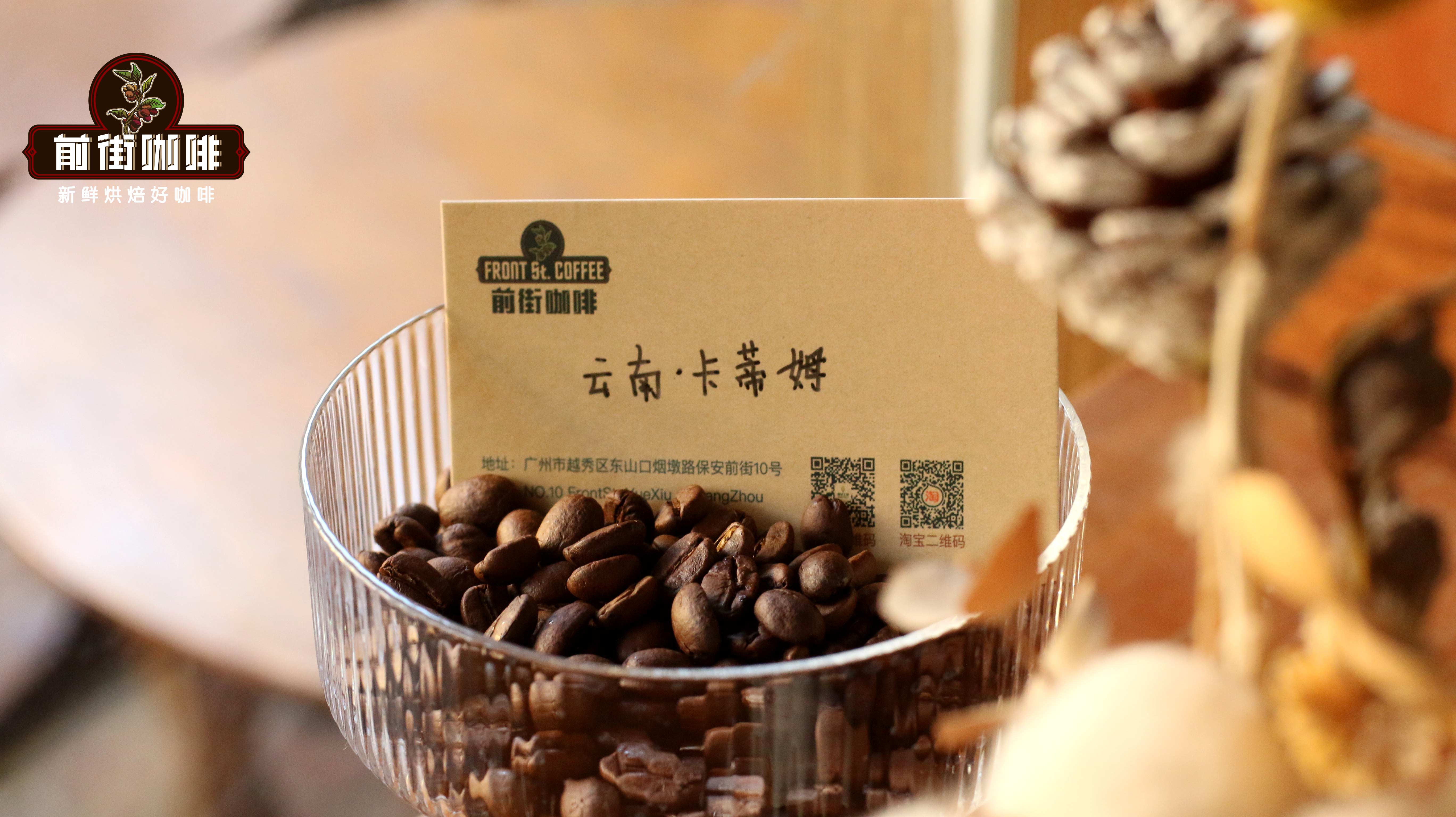
Yunnan Baoshan Small-Bean Coffee Brand Recommendations and a Detailed Guide to Brewing Lincang Sun-Dried Typica Medium-Roast Beans
Yunnan coffee has performed impressively in the international market in recent years, with producing regions such as Baoshan, Lincang, Pu'er, and Dehong each having their own distinctive characteristics. Starting from the terroir of the producing regions, this article reviews the cultivation distribution and varietal evolution of Yunnan Arabica coffee, with a focus on Front Street Coffee's own estate in Lincang and its sun-dried Typica. This bean uses traditional sun-drying processing and presents notes of dried fruit sweetness, plum acidity, and nuts, with a finish that carries brown sugar and black tea notes. The article also provides Hario V60 pour-over parameters: 90 degrees Celsius water temperature, 15 grams of coffee grounds, and a 1:15 coffee-to-water ratio, and shares practical suggestions on resting and grinding to help coffee enthusiasts fully appreciate the charm of Yunnan specialty coffee. [more…]
Yunnan Coffee Brand Recommendation Guide: A Complete Analysis of Small-Bean Coffee Origins, Flavors, Varieties, and Processing Methods
Yunnan, this fertile land crossed by the Tropic of Cancer, is gradually securing a place on the international specialty coffee map, represented by Baoshan small-bean coffee. From 1904, when missionary Tian Deneng planted the first Typica tree in Zhukula Village, to today's flourishing development of producing regions such as Pu'er, Baoshan, Dehong, and Lincang, Yunnan coffee has gone through more than a century of ups and downs. This article will take you deep into the terroir characteristics of Yunnan's main coffee-producing areas, the origins and differences between the two major varieties Typica and Catimor, and how washed and natural processing methods shape the flavors in the cup. At the same time, we will also share Front Street Coffee's cultivation practices and brewing suggestions in Yunnan, providing coffee lovers with a practical guide to understanding Yunnan coffee. [more…]
The Origin and Variety Evolution of Yunnan Small-Bean Coffee, and the Proper Brewing Method for Sun-Dried Typica
Yunnan coffee has long since entered the public eye, but with so many growing regions and a bewildering array of brands, which Yunnan coffees are actually worth trying? This article takes a systematic look at the development of Yunnan arabica — from the shifting of varieties and the distribution of growing regions to grading standards and brewing details. You'll learn about the origins of Typica and Catimor, the terroir differences among Yunnan's major growing regions, and Front Street Coffee's cultivation practices in Lincang. The article also shares in detail the brewing parameters and flavor profile of Front Street's sun-dried Typica, helping you brew a balanced, sweet, no-waste cup of Yunnan specialty coffee at home. [more…]
A Comprehensive Analysis of Yunnan Arabica Coffee: Origin Distribution, Variety Evolution, and Front Street Coffee's Planting Practices
Yunnan, as China's most important coffee-producing region, has a cultivation history that can be traced back to 1904, when French missionaries planted the first batch of Typica in Zhukula Village. After more than a century of development, Yunnan coffee has moved from obscurity toward the path of specialty coffee, with producing areas such as Baoshan, Pu'er, Dehong, and Lincang each having their own characteristics. However, factors such as variety replacement, choice of processing method, and growing altitude have always influenced the flavor direction of Yunnan coffee. Front Street Coffee has gone deep into Yunnan to establish estates, adhering to the Typica variety and the traditional washed and natural processing methods, in an attempt to restore the most authentic taste of Yunnan coffee. This article will systematically sort out the origin distribution and variety evolution history of Yunnan coffee, and share Front Street's practical experience in cultivation and processing. [more…]
Starbucks Yunnan Coffee Bean Flavor Analysis: Can Yunnan Arabica Be Used to Make Lattes and Cappuccinos?
Yunnan coffee has emerged in the specialty coffee scene in recent years. Starbucks has successively launched several Yunnan reserve coffee beans, including the Puer Baoshan blend and the Qingkai Farm reserve coffee beans, demonstrating strong recognition of the Yunnan growing region. Front Street Coffee also has its own exclusive Arabica plantation in Baoshan, Yunnan. This article will focus on the flavor characteristics of Starbucks' two Yunnan coffee beans, while also outlining the growing region distribution, cultivation history, main varieties, and processing methods of Yunnan coffee, and introducing Front Street Coffee's Yunnan Typica and Yunnan small-batch coffee beans, helping coffee enthusiasts gain a comprehensive understanding of the current state and charm of Yunnan coffee. [more…]
Which Yunnan coffee brand is worth drinking? Small-bean grading standards and a flavor comparison of Typica vs. Catimor
Yunnan coffee has long been famous, but with so many producing regions and a bewildering array of brands, which one is actually worth drinking? This article starts from the two varieties of Yunnan Typica and Catimor sold by Front Street Coffee, traces the evolution of Yunnan coffee varieties, explains international and domestic grading standards in detail, and introduces the regional characteristics of the four major producing areas: Pu'er, Baoshan, Dehong, and Lincang. It also shares Front Street's planting philosophy at its own estate in Lincang, the process details of the natural sun-dried method, and the specific brewing parameters and flavor performance of the sun-dried Typica, helping coffee lovers gain a comprehensive understanding of the current state and quality potential of Yunnan Arabica coffee. [more…]
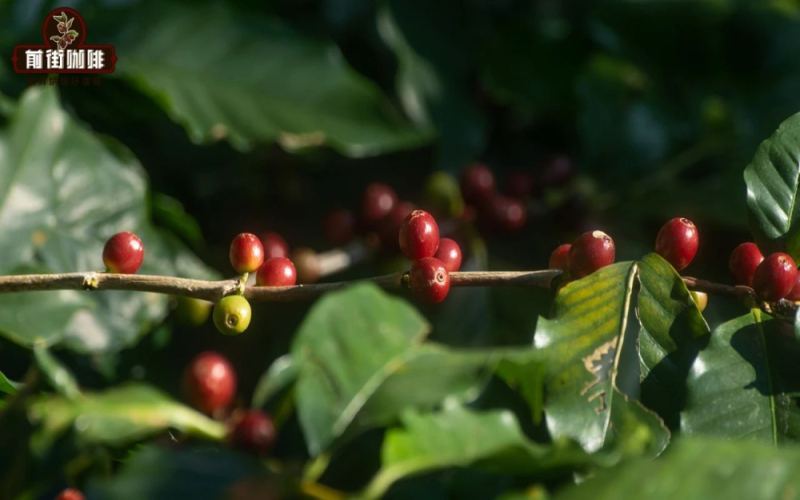
Starbucks Yunnan Reserve Coffee Bean Origin Traceability and Full Analysis of Catimor and Typica Variety Flavors
Yunnan coffee has been gaining increasing attention in the specialty market in recent years. Starbucks has continuously released Yunnan single-origin Reserve beans since 2017, as evidenced by the latest two products: the Puer Baoshan Blend and the Qingkai Farm. Front Street Coffee also owns an exclusive Arabica plantation in Baoshan. This article will start with the flavor characteristics of Starbucks' two Yunnan Reserve beans, systematically reviewing Yunnan coffee's origin advantages, the features of its four major producing regions, a century of cultivation history, the main cultivated varieties (Typica, Bourbon, Catimor), and processing methods. It will also include information on two single-origin beans produced by Front Street Coffee's Yunnan coffee estate, helping coffee enthusiasts fully understand the potential and charm of Yunnan coffee. [more…]

Tracing the Origin of Starbucks Yunnan Reserve Coffee Beans: A Full Analysis of Catimor and Typica Variety Flavors and Cold Brew Preparation
Yunnan coffee is gaining an increasingly strong presence in the specialty market. Starbucks has launched its Yunnan Reserve series for multiple consecutive years, from the Fengwu Xiangyun blend to the Puer-Baoshan blend and the Qingkai Farm Reserve, all presenting Yunnan flavors as either single-origin or blended offerings. Meanwhile, Front Street Coffee operates its own Arabica plantation in Baoshan, continuously promoting Yunnan Typica and Catimor varieties. This article will systematically review the flavor characteristics of two Starbucks Yunnan Reserve coffee beans, the growing conditions and historical context of Yunnan's main production regions (Dehong, Baoshan, Lincang, and Puer), the differences among the three major varieties—Typica, Bourbon, and Catimor—as well as the complete preparation methods for washed processing and Yunnan cold brew coffee, providing coffee enthusiasts with a reference that combines origin knowledge and practical value. [more…]
A Complete Analysis of Arabica Coffee Bean Grading and the Flavors of Core Producing Regions Worldwide
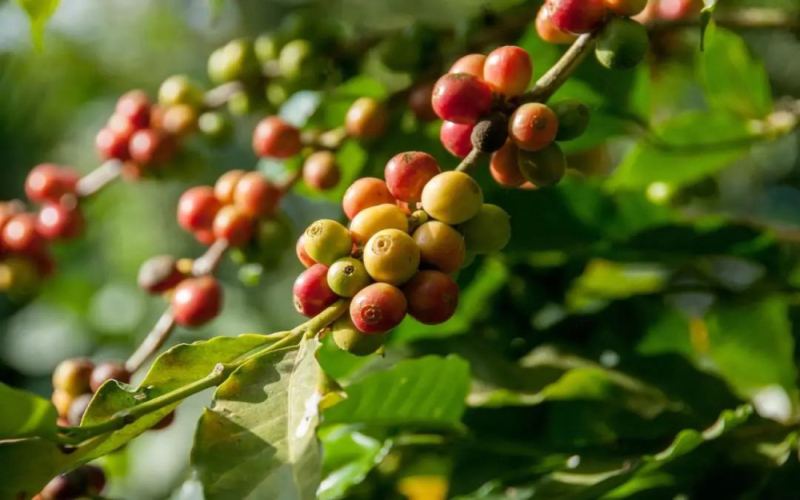
Arabica coffee accounts for more than seventy percent of global coffee production. Its cultivation conditions are demanding, with high requirements for altitude, soil, and microclimate, so different producing regions display distinctly different flavor profiles. This article focuses on the basic growth characteristics of Arabica and the distribution patterns of the Coffee Belt, systematically reviewing the flavor styles and processing methods of representative origins across the three major growing regions of Latin America, Africa, and Asia-Pacific, including Brazil Cerrado, Colombia Huila, Guatemala Huehuetenango, Costa Rica Tarrazu, Indonesia Sumatra, China Yunnan Baoshan, and Ethiopia Yirgacheffe. It also intersperses introductions to Front Street Coffee's daily drinking bean series, covering the selection approach and product characteristics for each producing region, providing coffee lovers with a complete and practical guide to Arabica origin flavors. [more…]
A Complete Analysis of the Main Arabica Coffee Producing Regions: Flavor Characteristics of the Three Major Regions and Introduction of Representative Bean Varieties
Arabica coffee accounts for more than seventy percent of global coffee production and has extremely strict requirements for its growing environment. Starting from the coffee belt on both sides of the equator, the three major producing regions of Latin America, Africa, and Asia-Pacific each nurture distinctly different coffee flavors. This article systematically sorts out the distribution of Arabica's main producing areas, introducing one by one the terroir conditions and cupping characteristics of representative producing areas such as Brazil Cerrado, Colombia Huila, Guatemala Huehuetenango, Costa Rica Tarrazu, Indonesia Sumatra, China Yunnan Baoshan, and Ethiopia Yirgacheffe, while also sharing the selection approach of the Front Street Coffee daily drinking bean series, helping coffee enthusiasts build a cognitive framework for the basic flavors of each producing area. [more…]
What variety is Yunnan Typica coffee? A complete analysis of the flavor and brewing of specialty sun-dried beans from the Lincang region
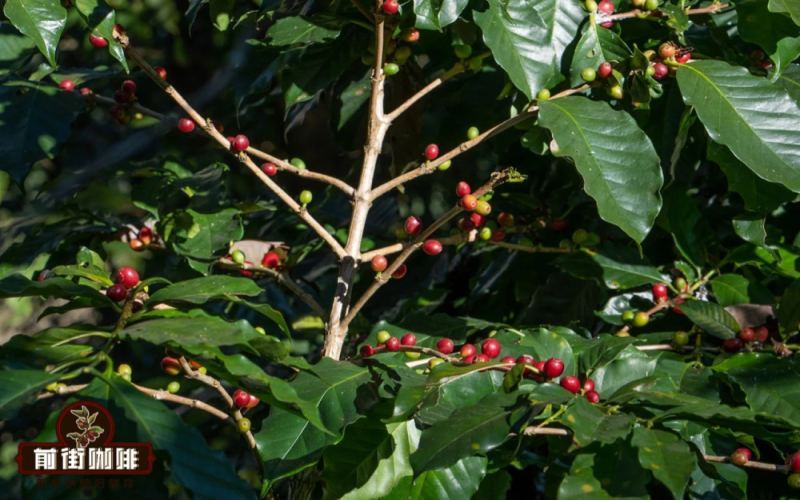
Typica is one of the oldest Arabica varieties and a classic variety mentioned when defining the three elements of specialty coffee in "The Craft of Specialty Coffee." As China's core coffee-producing region, Yunnan's Pu'er, Baoshan, Dehong, and Lincang areas each have their own terroir characteristics, and Lincang, with its superior climate and large temperature difference between day and night, has become a place with potential for specialty coffee cultivation. Front Street Coffee went deep into Yunnan even before its roasting business, established its own estate in Lincang, chose to grow the more difficult Typica, adopted the traditional natural process, and launched Front Street 2013 Yunnan Natural Typica. This bean is rich in aroma, with prominent dried-fruit sweetness, accompanied by gentle plum acidity and nutty notes, and a finish of brown sugar sweetness and black tea character. This article will systematically introduce the varietal background of Typica, the characteristics of Yunnan's producing regions, and brewing suggestions for this bean, helping coffee lovers gain a comprehensive understanding of the charm of Yunnan Typica specialty coffee. [more…]